
Officially a NePoPo® Gold Certified Trainer
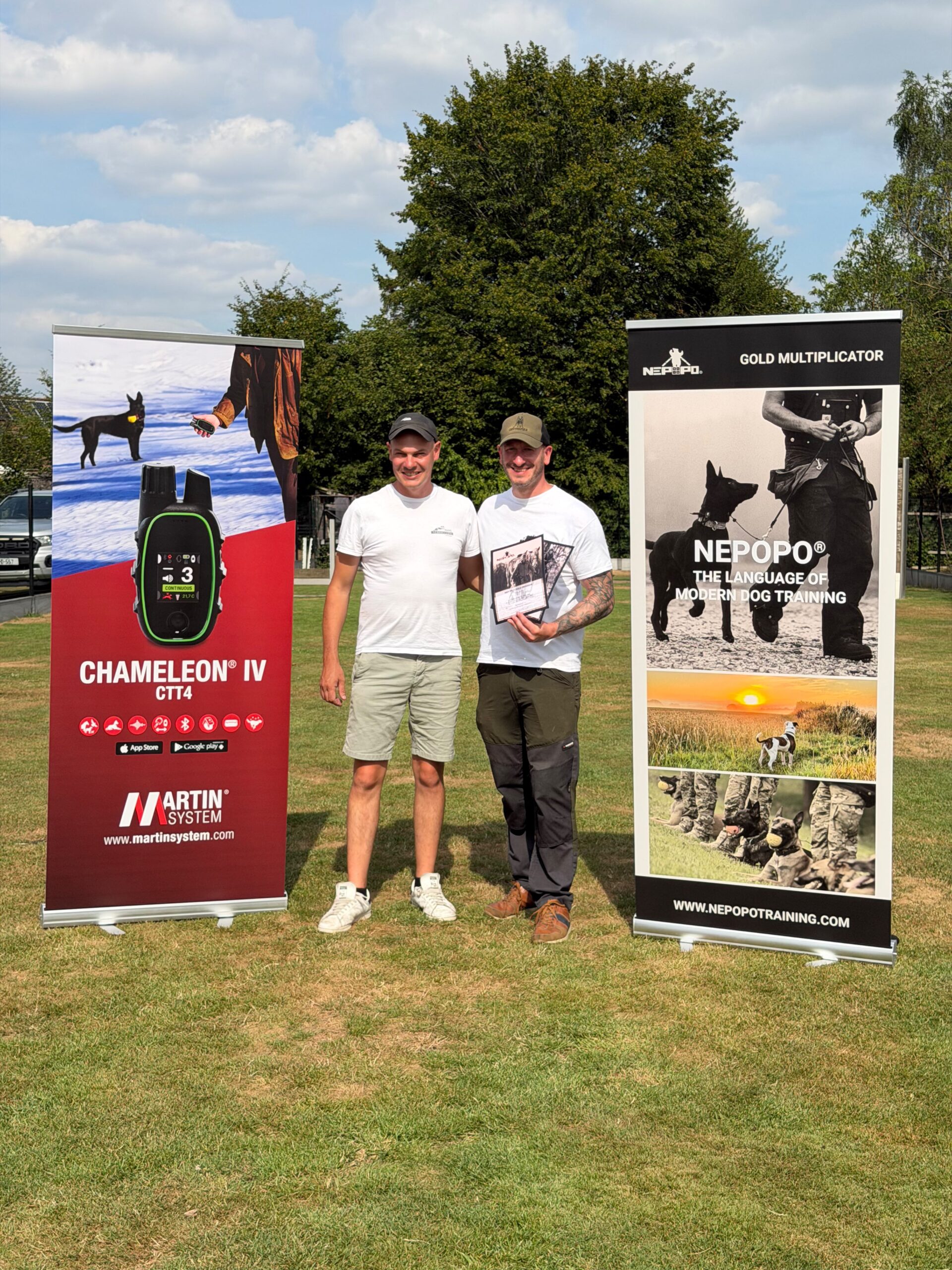
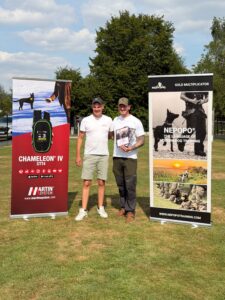
I am proud to announce that I am officially a NePoPo Gold certified trainer, having completed the rigorous Gold school hosted by Hans Verbruggen in Belgium.
While I had already completed the Silver school and attended Hans’s seminar—establishing a cognitive understanding of the system—there is no substitute for practical application. Working day after day under the watchful eye of one of the system’s most competent practitioners, and a protégé of its founders, Bart and Michael Bellon, was invaluable.
…Anxious dogs, how to actually help your dog overcome its anxiety
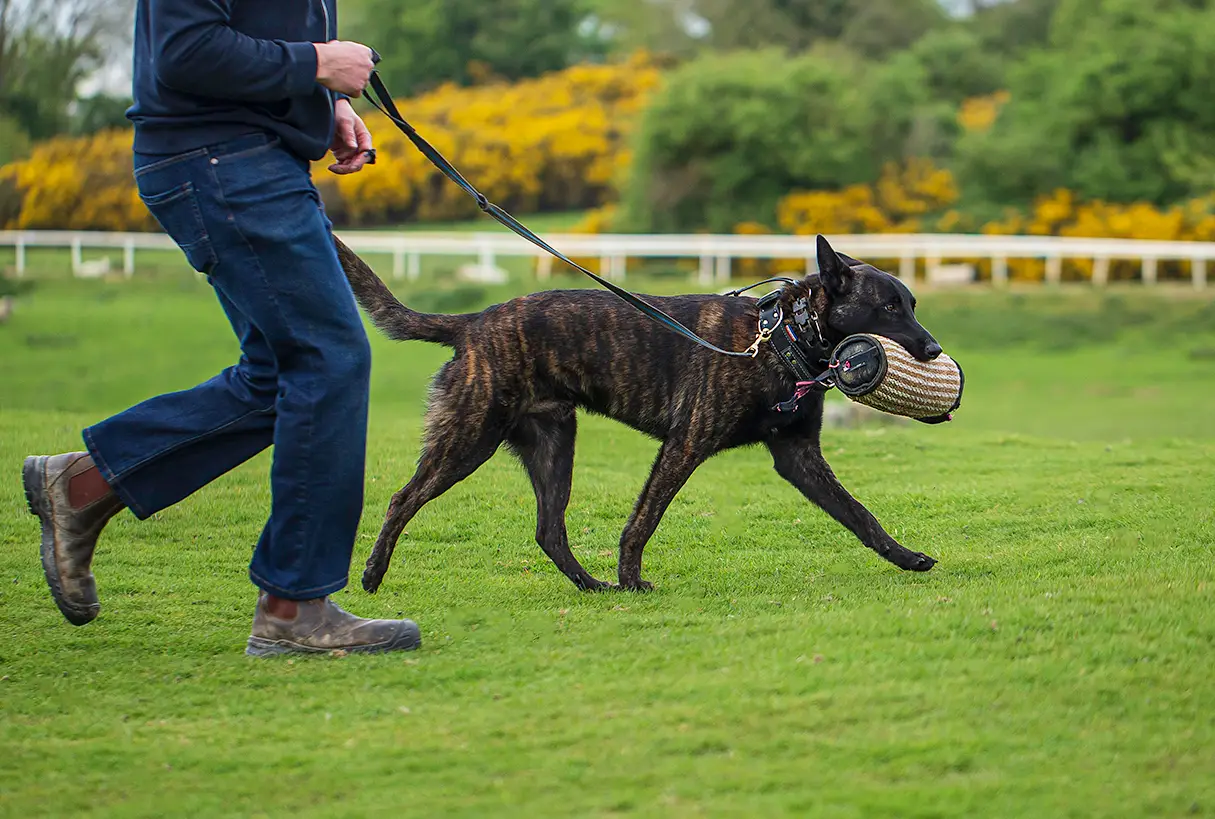
The Anxious dog: How Shielding from Stress Creates Long-Term Anxiety and what to do about it instead
There is a fundamental flaw in how modern dog ownership handles anxiety. The default instinct is to protect, soothe, and avoid triggers at all costs.
Let’s be clear: management is sometimes necessary. If a dog is red-lining, rehearsing explosive behavior, and genuinely unable to think, creating distance is the correct tactical move. But when avoidance becomes your entire system, you are systematically dismantling the dog’s ability to cope.
Anxiety in dogs is rarely just a temporary emotional state; it is a mechanical deficit in coping skills. The dog does not know how to recover, solve problems, or move through uncertainty. This stems from a combination of genetics, a lack of exposure, accidental reinforcement, and unclear handling.
Here is what is actually happening.
…Anxious dogs, how to actually help your dog overcome its anxietyRead More »
The Ethical Cost of Dogmatic dog training: When Ideology Fails the Dog
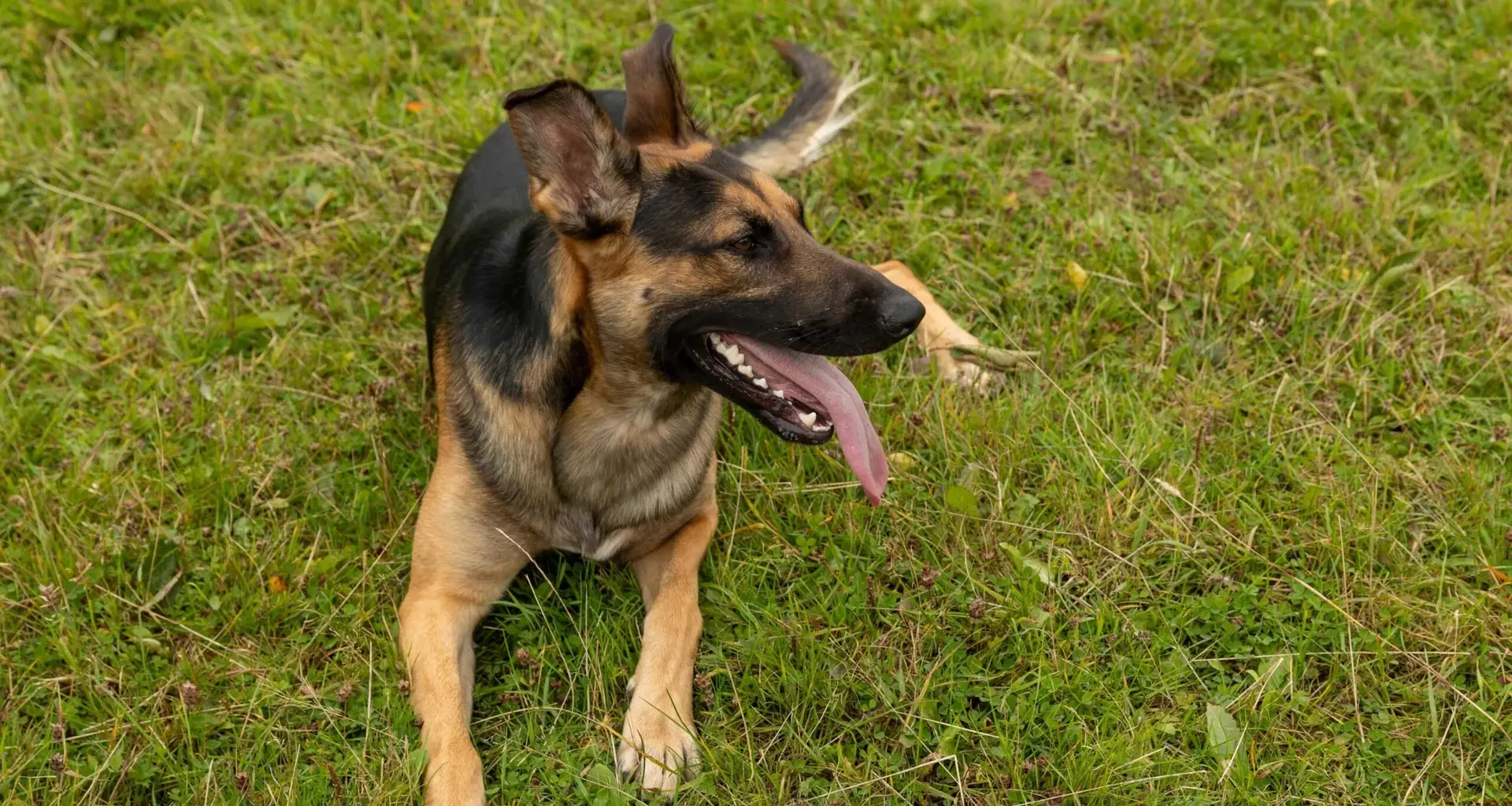
The dog training world is locked in a familiar debate: force free versus balanced methods. If you’ve spent time reading this blog, you’ll know I don’t sit comfortably in either camp. My approach is pragmatic. I aim to use the minimal effective dose of pressure necessary to make learning possible, and then reinforce heavily. That may involve leash pressure or the ethical use of an e collar as a communication tool.
This position isn’t theoretical for me. It was shaped by my own dog, who arrived as a genuine worst case scenario. He had no boundaries, no training history, and a long list of behaviors that caused multiple families to return him to the shelter within days. To be honest, I nearly did the same.
…The Ethical Cost of Dogmatic dog training: When Ideology Fails the DogRead More »
Tough Love, Clear Rules, and the Dogs Who Need Them
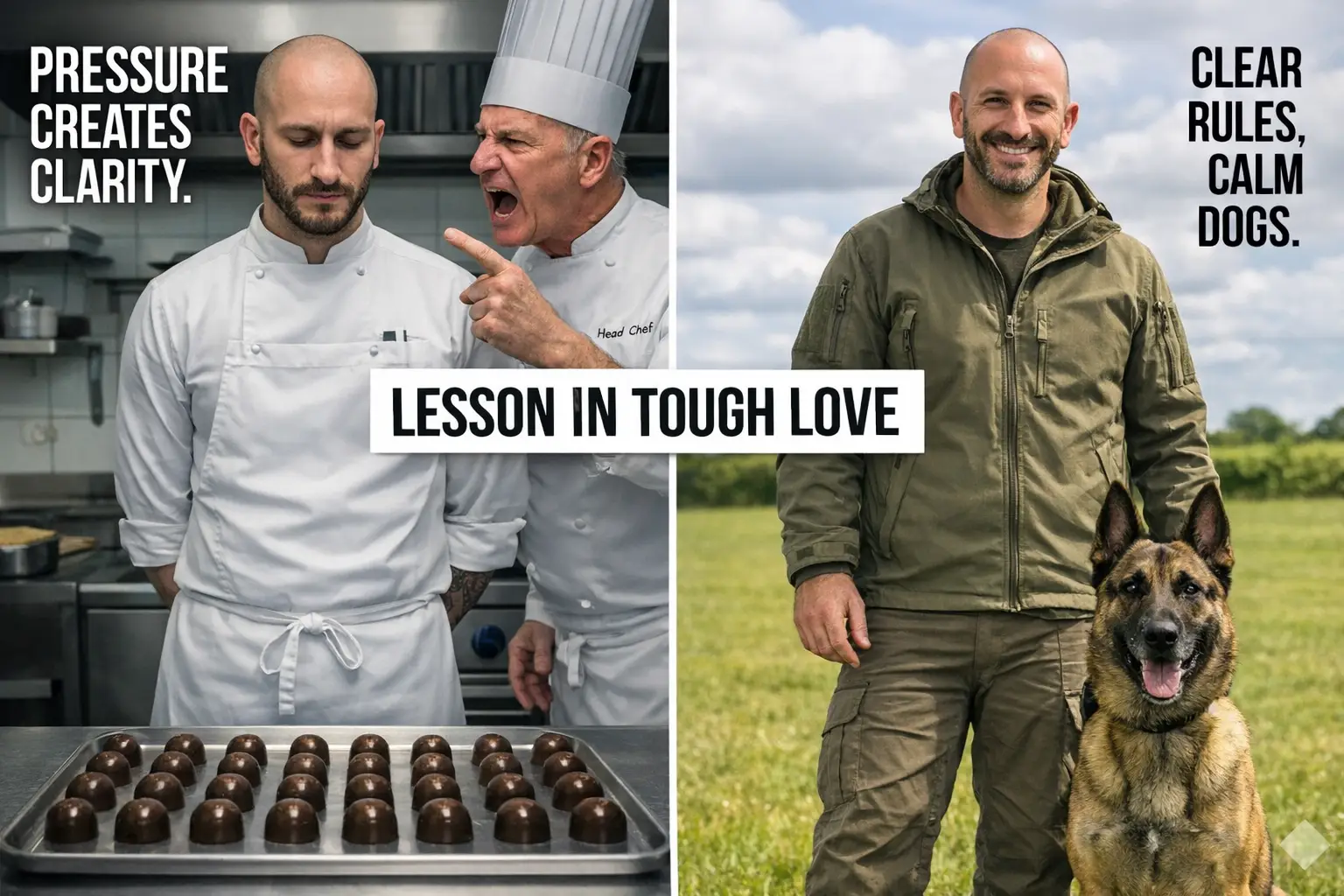
There is a lot of noise in the dog training world right now.
On one side, the force-free community argues that we should avoid pressure and aversives entirely, relying instead on positive reinforcement to shape behavior. On the other, balanced trainers argue that fair corrections, used sparingly and skillfully, are sometimes necessary for clarity.
Before taking sides, let’s be intellectually honest.
At its best, force-free training produces thoughtful, motivated dogs who work with their handlers because they want to, not because they feel compelled. Skilled force-free trainers excel at building engagement, shaping complex behaviors, and teaching dogs how to succeed without fear or confusion. For the vast majority of companion dogs—and for many working dogs in foundational training—positive reinforcement builds confidence, creativity, and a strong emotional bond.
It has also pushed our entire industry away from outdated, heavy-handed methods that relied more on intimidation than understanding. That course correction was necessary. I use these principles every single day.
But problems arise when a useful framework turns into an absolute ideology.
…Tough Love, Clear Rules, and the Dogs Who Need ThemRead More »
Education is Prevention: Why I Support Irish Shelters

Last month, following my workshop on high-drive breeds, I donated €500 and a collection of working-dog quality toys to the DSPCA.
The donation included Liker balls, tugs, and durable gear designed specifically for German Shepherds, Malinois, and Dutch Shepherds.
But this wasn’t just a nice gesture. It highlights a critical mission that every dog owner in Wicklow, Kildare, and South Dublin needs to understand: Education is Prevention.
For every dog we keep out of a shelter through proper training, there is another already in a kennel who desperately needs support.
…Education is Prevention: Why I Support Irish SheltersRead More »
Anxious dogs, how to actually help your dog overcome its anxiety
Why Your Dog Pulls, Ignores You, or Reacts
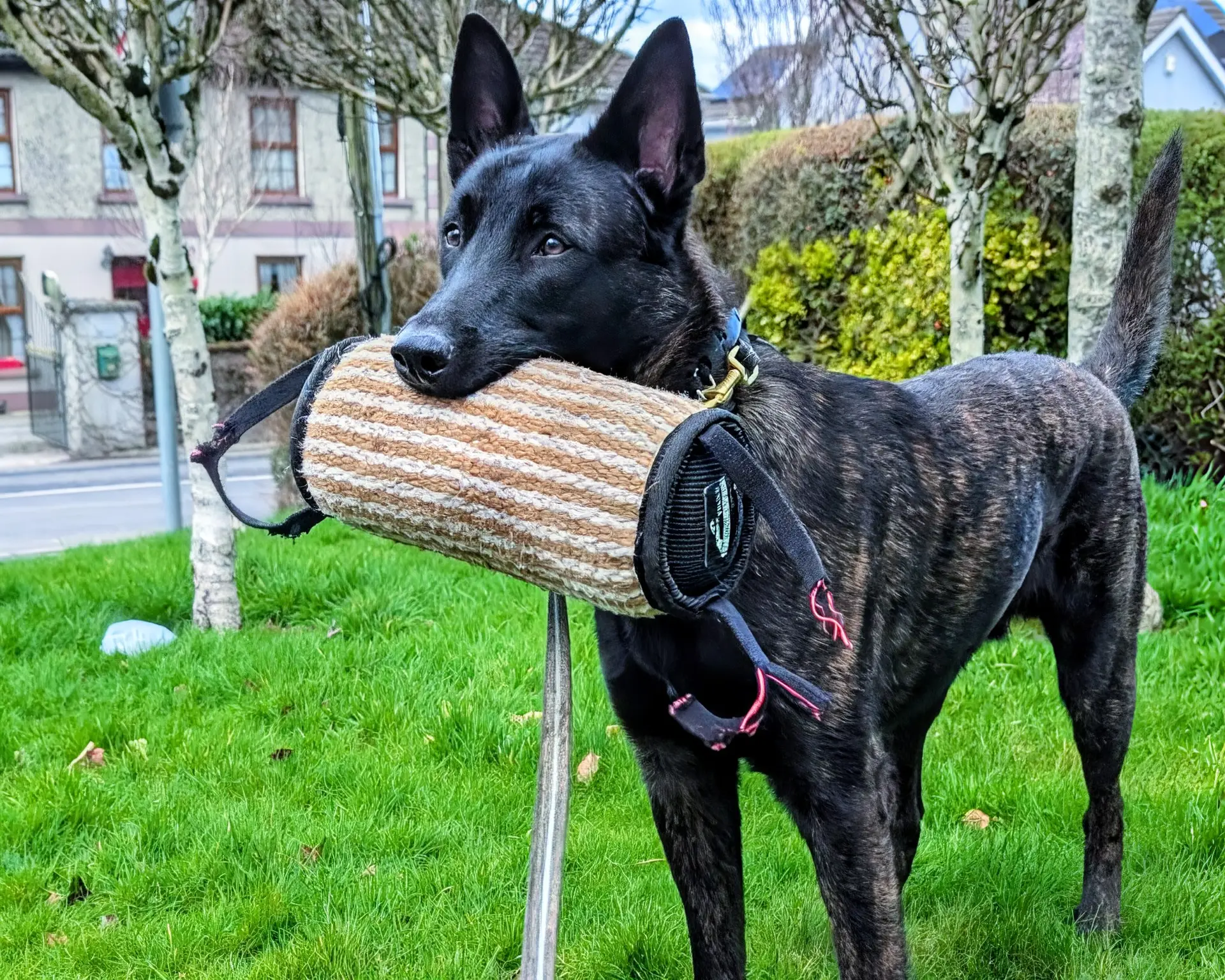
Dog Training Explained (Dublin, Kildare, Wicklow)
Have you ever wondered why your dog does what it does, or doesn’t?
If your dog pulls on the lead, ignores recall, or reacts to other dogs or people, it’s easy to think something is wrong.
It isn’t.
Your dog is doing exactly what works. Dogs repeat behaviours that improve their situation. If something creates a better outcome, they’ll do it again. If it doesn’t, they’ll drop it.
That’s the foundation of all dog behaviour and dog training.
…Are You Transporting Your Dog Safely?
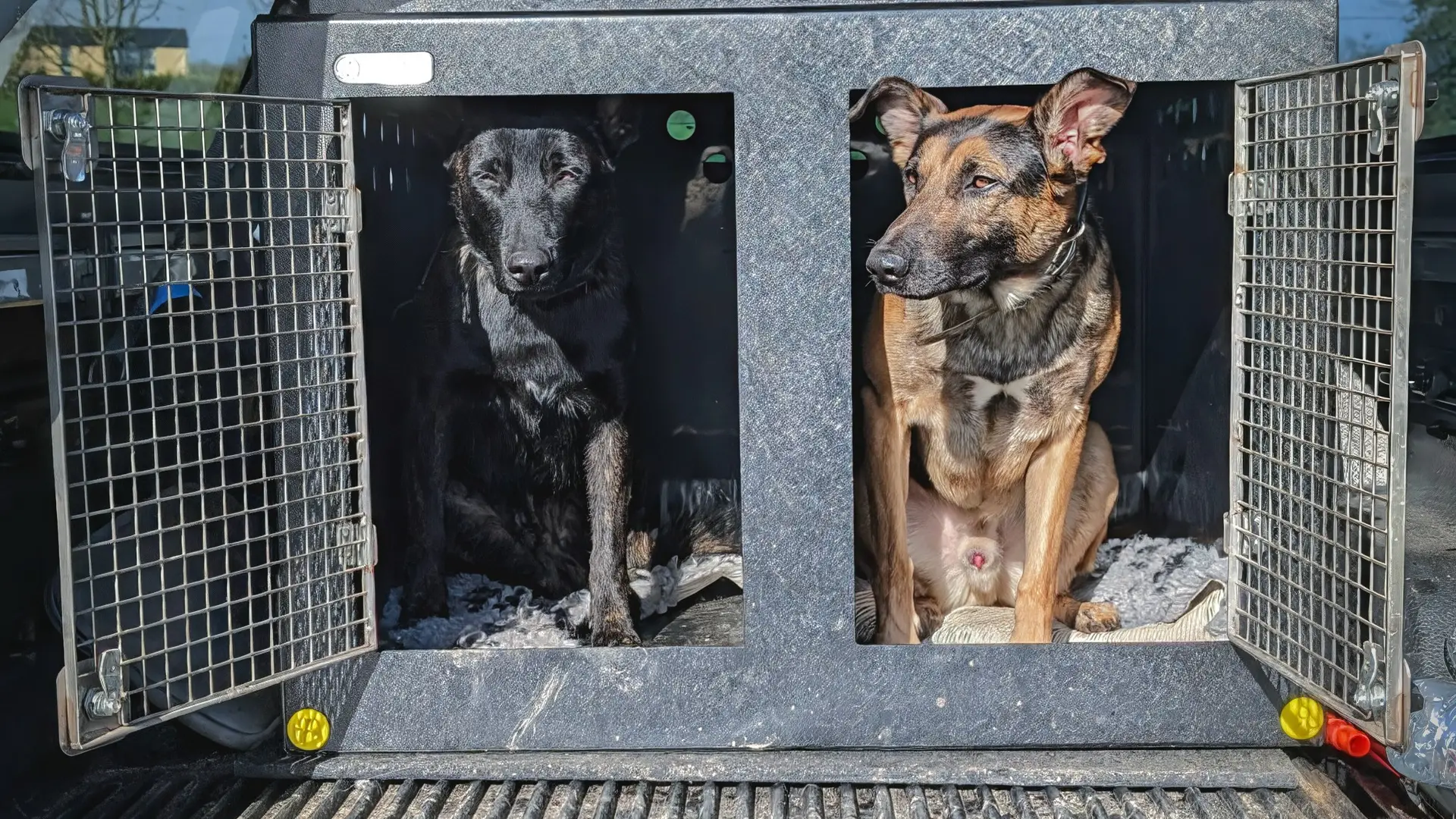
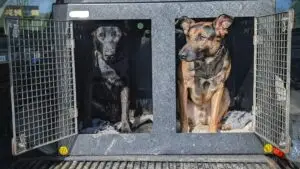
Most owners transport their dogs loose in the cabin or secured with a basic harness. Unfortunately, many of these harness systems fail in high-speed collisions. In a high-impact crash, a 30kg dog becomes a projectile, capable of causing fatal injuries to both the animal and the human passengers.
It is a grim reality, but one we must acknowledge.
For a long time, I limited trips with my dogs to the absolute essentials. Unless it was for the training field or a vet visit, they stayed home. I wouldn’t risk their safety without a proper solution. Now that I have a crash-tested setup, that has changed. Training sessions, hikes, club days, and road trips are back on the agenda. Life gets bigger for both you and your dogs when you know they are traveling safely.
For those of us with high-drive working dogs, structure and safety are non-negotiable parts of responsible ownership. Transport is no different. This is why I chose the DT Box.
…Before You Get a Dog: The Vision Exercise Every Owner Needs
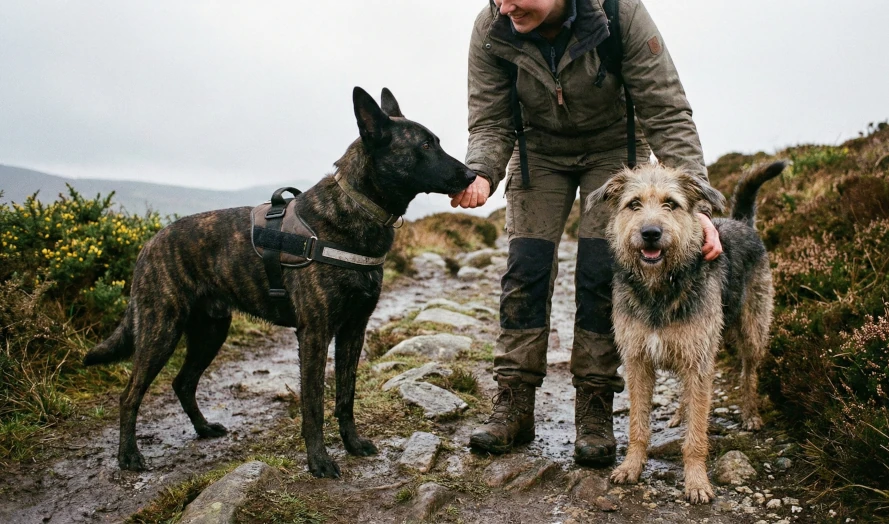
Most people choose dogs based on how they look. A striking German Shepherd in a film. A sleek Malinois at a police demonstration. A powerful Dutch Shepherd at a park in South Dublin.
But here’s the uncomfortable truth: choosing a dog based on looks is a recipe for disaster.
I’ve seen it countless times. Someone falls in love with the idea of a working breed—the intelligence, the loyalty, the presence, only to find themselves overwhelmed six months later into owning one. They end up with a dog they can’t control, can’t tire out, and can’t understand.
The dog ends up in a shelter. Or worse, living a frustrated, unfulfilled life in a home that can’t meet its needs.
…Before You Get a Dog: The Vision Exercise Every Owner NeedsRead More »
5 Signs Your Dog Trainer Doesn’t Understand Working Breeds (And Why “Old School” Advice Fails)

If you share your home with a German Shepherd, Malinois, Dutch Shepherd, or any high-drive working breed, you already know the truth: these are not standard pets.
Dog owners in Ireland often find themselves in a difficult position. They seek help, only to find that standard training methods don’t stick. Cookie-cutter techniques designed for happy-go-lucky companion breeds often leave working dogs frustrated, anxious, or checking out completely. Conversely, heavy-handed compulsion can destroy the bond you have with your dog.
Working breeds require structure, biological fulfilment, and a handler who understands their genetics. Here is how to identify if a training method isn’t fit for purpose, and what effective working breed training actually looks like.
…Stronger Bond, Better Dog – Community Workshop in Dunlavin
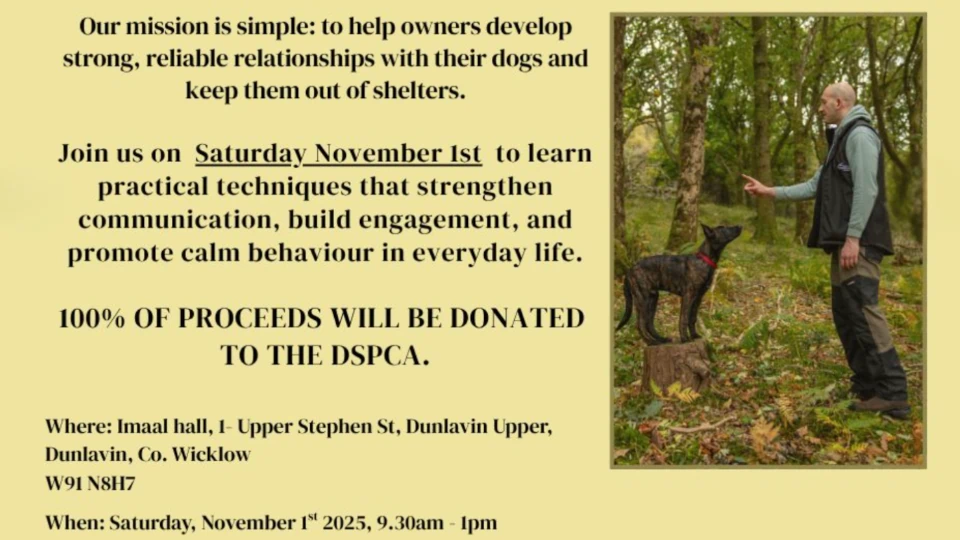
Working-breed dogs are incredible — smart, driven, and loyal to the core. But they don’t come with an off-switch, and without the right structure, they can become overwhelming for even experienced dog lovers.
That’s why I’m inviting you to a special community workshop designed for owners, future owners, and anyone curious about what it really means to live and work with breeds like Malinois, German Shepherds, and Dutch Shepherds.
…Stronger Bond, Better Dog – Community Workshop in DunlavinRead More »
The E-Collar: What It Is and What It Isn’t
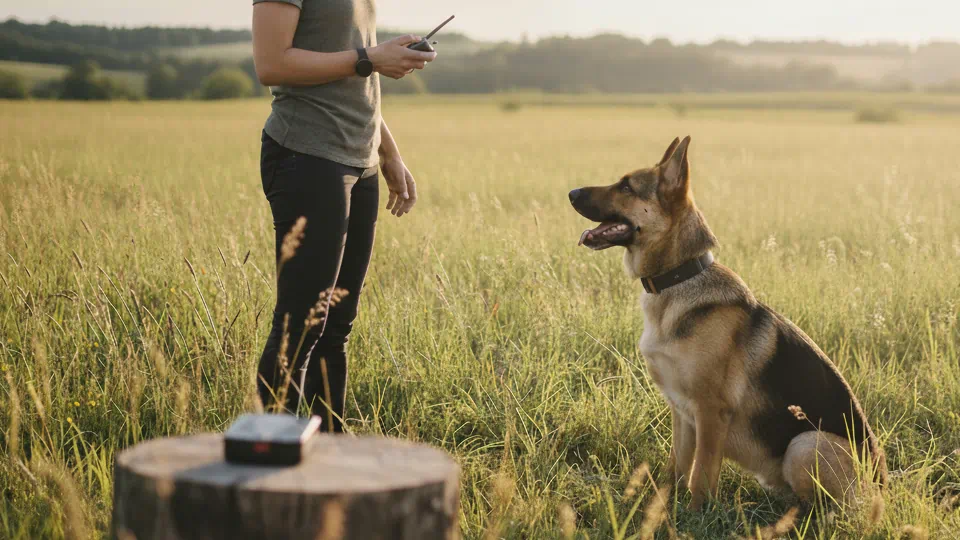
In the world of dog training, few topics are as divisive as the E-collar
when most people hear “e-collar,” they picture a dog being shocked into submission but that image is outdated and unfair.
When used correctly, an e-collar is a communication tool: a way to reach your dog clearly, fairly, and consistently, even when they are off-leash or far away. It is not about pain. It is about clarity, accountability, and safety.
…Protection Sports: Pressure, Purpose, and Partnership
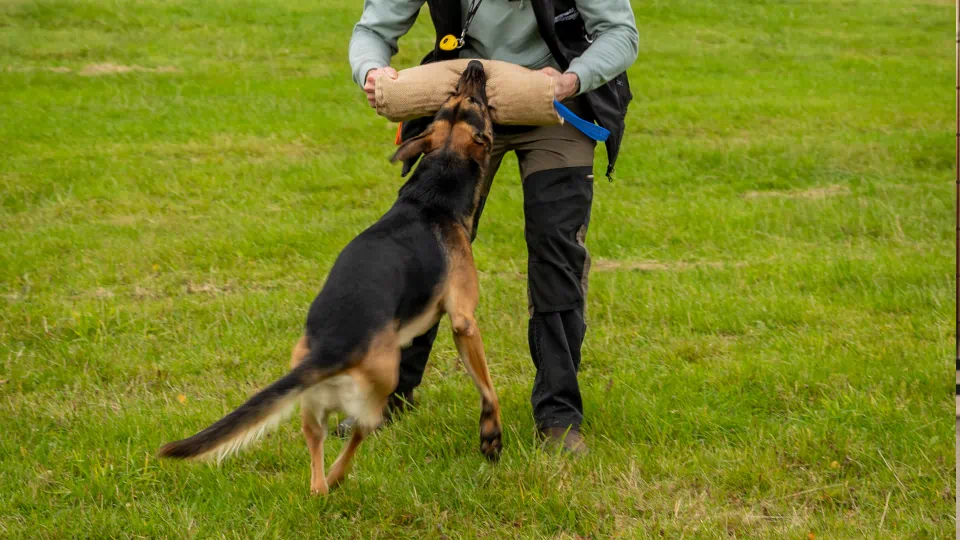
When people hear the words protection sports, like IGP, PSA, Mondioring, … they often picture aggression or intimidation. The reality is very different.
Protection sports are structured systems built around drive, control, and clear rules. For breeds like Malinois, Dutch Shepherds, and German Shepherds, they offer a healthy outlet for energy, confidence, and focus.
…Protection Sports: Pressure, Purpose, and PartnershipRead More »
Let’s Break the Myth: “Adopt, Don’t Shop?”

If you’ve been thinking about getting a dog, you’ve probably seen that slogan somewhere : “Adopt, don’t shop.” It’s everywhere. And while it comes from a good place, it’s also a bit of a guilt trip, isn’t it?
If you’ve found yourself feeling bad about wanting to buy a dog from a breeder, let me tell you straight: you don’t need to feel guilty.
…