When people hear the words protection sports, like IGP, PSA, Mondioring, … they often picture aggression or intimidation. The reality is very different.
Protection sports are structured systems built around drive, control, and clear rules. For breeds like Malinois, Dutch Shepherds, and German Shepherds, they offer a healthy outlet for energy, confidence, and focus.
These dogs were bred to work under pressure. When they have no outlet, the same traits that make them exceptional can quickly turn into frustration, reactivity, or destruction.
The decoy’s real role
The decoy is a training partner, but they play the role of the adversary. Their job is to apply pressure, to create conflict, and to test the dog’s resolve. They move, shout, and threaten to make the dog question itself — to see if it will stay engaged or back down.
The goal is not to bully or scare. It is to teach the dog to stay clear-headed under stress. A skilled decoy knows exactly how much pressure to use, when to back off, and how to reward courage and focus.
They are there to test the dog, not to break it.
The bite is the reward
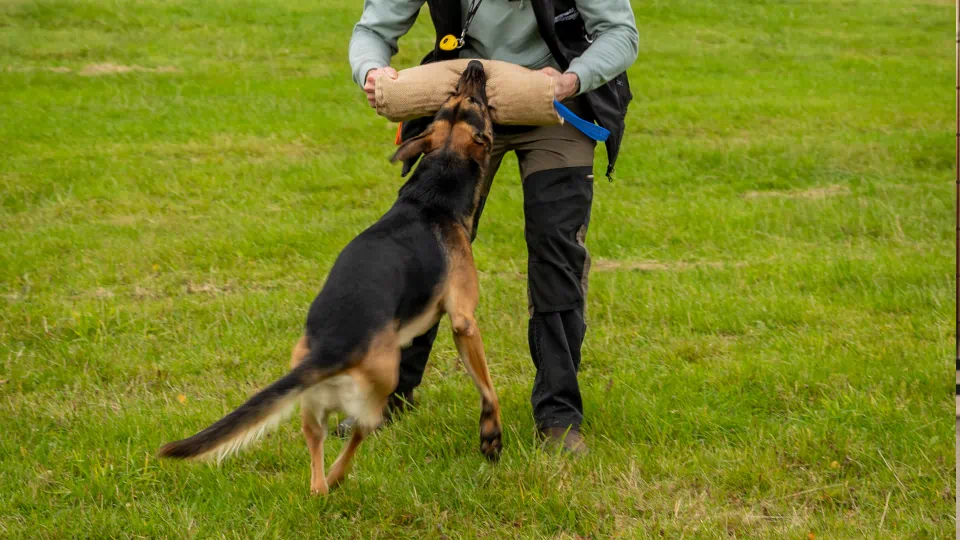
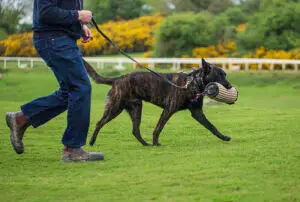
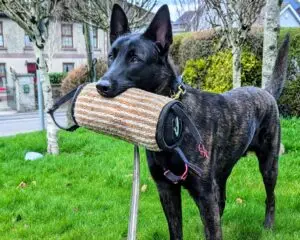
In sport, the bite is not about anger or aggression. It is the win. The dog earns that reward by showing commitment, control, and precision.
The helper applies pressure, the dog works through it, and the reward is the bite itself. That’s why you’ll see top sport dogs bark and explode with excitement before a bite — not because they are out of control, but because they know what’s coming and they love the game.
When done fairly, the bite becomes the ultimate marker of success and satisfaction.
Control is the foundation
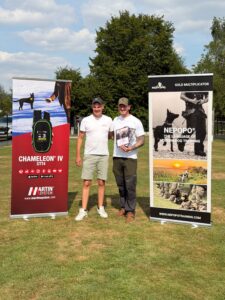
Good programs like NePoPo® or STSK9 build these skills systematically. You first teach obedience, markers, and targeting through positive reinforcement. Only when those are clear do you introduce controlled pressure to make the behaviour reliable under stress.
The result is a dog that can think while in high arousal, that can out, recall, and re-engage on cue. That balance — drive under control — is the essence of true protection sport.
Why it’s good for the dog
Protection training challenges the dog both physically and mentally. It builds nerve strength, self-control, and emotional balance. A working-breed dog that gets to channel drive in a fair and structured way is often calmer and easier to live with outside training.
The key word is fair. Pressure is always the minimum effective dose — never more. It can be environmental pressure, body pressure, or decoy movement, but it must always be clear and proportionate. When done right, the dog becomes stronger, not fearful.
Knowing when not to
With Pluto, we learned very quickly that he does not have the temperament for protection sport. He has energy and intelligence, but he lacks the impulse control and natural drive to guard or engage. Those instincts can be sharpened through training, but they cannot be created from nothing.
Trying to push him into this type of work would be unfair to him. I am telling you this for your own sake and for your dog’s: if protection work is not the right sport for your dog, do not force it. Find an outlet that suits who they are.
Kayan, on the other hand, showed those natural traits from as early as eight weeks old — confidence, focus, and the instinct to confront pressure. For him, protection work fits. For Pluto, it does not. Both are equally valuable dogs; they just have different callings.
Fairness and safety
Pressure in protection training must always be applied by skilled decoys who understand how to read the dog. They escalate and de-escalate in seconds based on what the dog needs to learn. Everything happens within the rules of the sport, using sleeves, suits, and line handling that keep everyone safe.
Real sport work is not abuse. It is control, clarity, and respect.
Final thoughts
Protection sports are not about creating aggression. They are about channelling drive into focus, courage, and control. The decoy is the adversary by design, but also a partner in the process. Their pressure gives the dog a problem to solve, and the bite is the reward that proves the effort was worth it.
When done well, systems like NePoPo® and STSK9 produce dogs that are confident, stable, and deeply bonded with their handlers. It is not about force. It is about mutual respect and trust built through structured challenge and fair reward.