Adopting vs Buying From a Breeder – When Each Makes Sense

“Adopt, don’t shop” isn’t the whole story. Adoption can be incredibly rewarding, but if you’re after specific traits or working potential, a well-chosen breeder might be the better fit. What matters most is making an informed, ethical choice, because every decision shapes the future of dogs.

You’ve probably heard the phrase “adopt, don’t shop.” While adoption is a fantastic option in many cases, it’s not always the best fit for everyone. Sometimes, buying from a good breeder is the more responsible choice.

When adoption makes sense

  • You have the time, patience, and emotional bandwidth to work through baggage.
  • You’re flexible about what you want in a dog.
  • You’re motivated by giving a second chance to a dog who needs it.

Adoption can be incredibly rewarding, but it often comes with challenges. Dogs may have unknown histories, weak foundations, or ingrained habits. It takes commitment and resilience to work through these issues.

When buying from a breeder makes sense

  •  You have clear goals such as dog sports, working ability, or a very specific lifestyle fit.
  • You want a predictable temperament and drive level.
  • You don’t have the space in your life right now to rehabilitate or manage deep-seated issues.

A well-bred puppy gives you a clean slate and a higher chance of success in structured training, especially if you want to compete in sport or pursue advanced obedience.

This is why education is so important. Too many people, in their eagerness for a puppy, hand money to unethical breeders. The result is unstable temperaments, poor health, and countless dogs ending up in shelters. If you decide to buy, it is your responsibility as the customer to support only ethical breeders. Every purchase is a vote for the future of dogs.

The truth is, both adoption and buying from a responsible breeder can be the right choice, depending on your goals and circumstances. What is never the right choice is supporting irresponsible breeding. By making informed decisions, we can each play a part in raising standards and creating a better future for dogs.he future of the breed itself.

More Articles

Reactive German Shepherd Rehabilitation

Reactive German Shepherd Rehabilitation: When Force-Free Training Fails Working Breeds

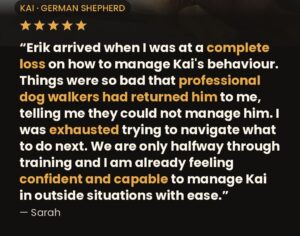
Kai is an adolescent German Shepherd whose dog reactivity escalated despite working with three separate force-free dog trainers. By the time his owner, Sara, contacted me, the situation had become untenable. Being a relatively small person, walking Kai safely was no longer physically possible. The dog walkers she previously relied on had quit, and her most recent force-free trainer could no longer walk him either.

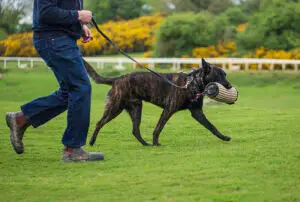
No anxious dog here; Dutch shepherd posession game

Anxious dogs, how to actually help your dog overcome its anxiety

You cannot comfort a dog out of anxiety. When you shield a nervous dog from every stressor, you are teaching them that the world is dangerous and avoidance is the only strategy. Here is the reality of why your dog is anxious, and the exact mechanics of how to fix the confidence deficit.